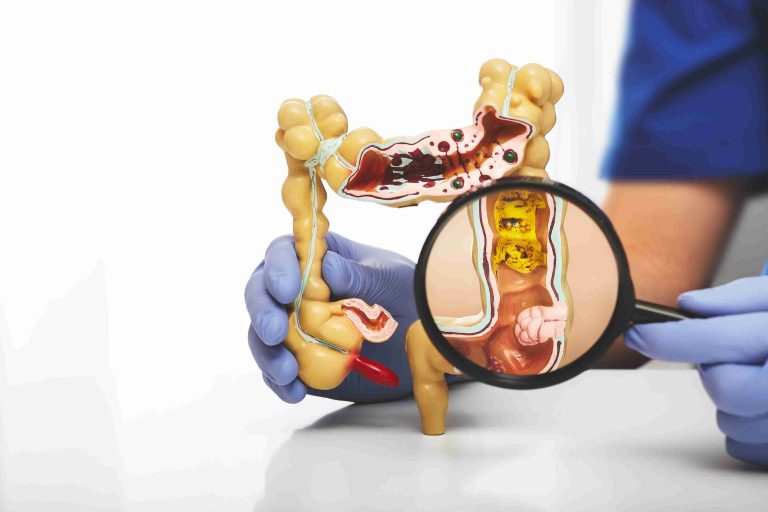
Abdominal pain after eating is a common complaint that can vary in intensity and cause. While occasional discomfort may not always signify a severe problem, recurring or severe pain should never be ignored. Understanding the potential causes and when to seek medical attention is essential for maintaining your health.
Common Causes of Abdominal Pain After Eating
Abdominal pain after eating can arise from several sources, ranging from dietary habits to underlying medical conditions. Identifying the root cause is key to determining the appropriate course of action.
Overeating and Indigestion
Consuming large meals can put significant strain on your digestive system, leading to indigestion and abdominal pain. This is particularly true if the meal contains high amounts of fat, sugar, or spice, which can irritate the stomach lining. Overeating can also cause the stomach to stretch beyond its normal capacity, leading to discomfort, bloating, and even nausea.
Food Intolerances and Allergies
Food intolerances, such as lactose or gluten intolerance, can cause abdominal pain, bloating, and diarrhea after consuming specific foods. Similarly, food allergies may trigger immune responses that include digestive discomfort.
For example, individuals with celiac disease experience an immune reaction to gluten, which can damage the small intestine over time if untreated. Identifying and avoiding trigger foods is crucial for managing these conditions.
Acid Reflux and GERD
Acid reflux occurs when stomach acid flows back into the esophagus, causing a burning sensation and pain in the upper abdomen. Chronic acid reflux, known as gastroesophageal reflux disease (GERD), often worsens after eating. Left untreated, GERD can lead to complications such as esophageal ulcers or Barrett’s esophagus, a condition that increases the risk of esophageal cancer.
Gallbladder Issues
The gallbladder stores bile, which aids in fat digestion. Gallstones or inflammation of the gallbladder can cause intense abdominal pain, particularly after consuming fatty meals. This pain is usually localized in the upper right abdomen and may radiate to the back or shoulder. In severe cases, gallbladder problems can lead to infections requiring surgical intervention.
Irritable Bowel Syndrome (IBS)
IBS is a chronic condition that affects the large intestine. Symptoms often include cramping, abdominal pain, bloating, gas, and diarrhea or constipation, which may be triggered by eating. Stress and certain foods, such as dairy, caffeine, or high-fat items, are common triggers for IBS flare-ups. Managing IBS often involves dietary changes, stress management, and sometimes medication.
Peptic Ulcers
Peptic ulcers are open sores that develop on the lining of the stomach or upper small intestine. These ulcers can cause a burning or gnawing pain that may worsen after eating, especially if the meal is acidic or spicy. In some cases, ulcers are caused by a bacterial infection (H. pylori) or the prolonged use of nonsteroidal anti-inflammatory drugs (NSAIDs).
Pancreatitis
Pancreatitis, or inflammation of the pancreas, can result in severe abdominal pain that often worsens after eating. This condition may be acute or chronic and is commonly associated with gallstones, excessive alcohol consumption, or certain medications. Symptoms may include nausea, vomiting, and a tender abdomen.
When Should You Be Concerned About Abdominal Pain After Eating?
While not all instances of abdominal pain after eating are alarming, certain red flags should prompt immediate medical attention.
Persistent or Severe Pain
If abdominal pain persists for several days or intensifies over time, it could indicate a more serious underlying condition, such as an ulcer, pancreatitis, or a blockage in the digestive tract. Chronic pain should never be ignored, as it may signal a condition requiring medical intervention.
Accompanying Symptoms
Watch for additional symptoms such as vomiting, fever, significant weight loss, or changes in stool appearance. These may point to serious conditions like infections, inflammatory bowel disease, or even cancer. Blood in the stool or vomit is particularly concerning and warrants prompt evaluation.
Sudden Onset of Pain
A sudden and severe onset of abdominal pain after eating, especially if it is localized, may indicate a medical emergency such as appendicitis, a perforated ulcer, or intestinal obstruction. Seek immediate medical care in such cases to prevent complications.
Difficulty Swallowing
Difficulty swallowing food or feeling as though food is getting stuck in the throat can accompany abdominal pain and may indicate conditions such as esophageal stricture, GERD, or even esophageal cancer. Early detection and treatment are critical.
Diagnosing the Cause of Abdominal Pain After Eating
Accurately diagnosing the cause of abdominal pain involves a combination of medical history, physical examination, and diagnostic tests. Knowing what to expect during the diagnostic process can help you prepare for your visit to the doctor.
Medical History and Symptoms
Your doctor will ask about your eating habits, specific foods that trigger pain, and any accompanying symptoms. Keeping a food diary can be helpful in identifying patterns. Mentioning other health conditions, such as a history of ulcers or gallstones, can also aid in diagnosis.
Physical Examination
A physical exam may involve palpating the abdomen to check for tenderness, swelling, or other abnormalities. This helps identify the potential location and nature of the pain. The doctor may also listen to bowel sounds or check for signs of inflammation or infection.
Diagnostic Tests
Tests such as blood work, imaging studies (e.g., ultrasound, X-ray, or CT scan), and endoscopy may be recommended to identify structural or functional issues in the digestive system. In some cases, allergy or intolerance tests may be necessary to pinpoint specific dietary triggers. A stool test may also be conducted to check for infections or blood.
Managing and Preventing Abdominal Pain After Eating
Lifestyle changes and medical treatments can significantly reduce or eliminate abdominal pain associated with eating. Here’s how to manage and prevent this discomfort.
Dietary Adjustments
- Eat Smaller Meals: Reduce the size of your portions to lessen the burden on your digestive system.
- Identify Trigger Foods: Avoid foods that consistently cause discomfort, such as fatty, spicy, or allergenic items. Replace these with healthier options like whole grains, lean proteins, and vegetables.
- Chew Thoroughly: Proper chewing aids digestion and reduces the likelihood of indigestion. Eating slowly can also help prevent overeating.
- Stay Hydrated: Drinking plenty of water throughout the day can support digestion and prevent dehydration-related discomfort.
Stress Management
Stress can exacerbate digestive issues, so incorporating relaxation techniques like meditation, deep breathing, or yoga into your routine may help alleviate abdominal pain. Regular exercise and sufficient sleep can also play a role in reducing stress and improving digestive health.
Over-the-Counter Remedies
Antacids, digestive enzymes, and probiotics can provide temporary relief for symptoms like acid reflux or indigestion. However, consult a healthcare provider before relying on medications to address ongoing issues.
Professional Treatment
For persistent or severe abdominal pain, medical intervention may be necessary. Treatments may include prescription medications, dietary plans, or procedures like gallstone removal or ulcer treatment, depending on the underlying cause. In cases of food intolerances, working with a dietitian can help design a safe and nutritious eating plan.
Long-Term Monitoring
For chronic conditions like IBS or GERD, long-term monitoring and periodic check-ups are essential to ensure effective management. This may involve routine tests, medication adjustments, and ongoing dietary modifications.
When Prevention Is Key
Preventing abdominal pain after eating often starts with making healthier lifestyle choices. In addition to dietary adjustments, staying physically active and avoiding smoking or excessive alcohol consumption can significantly lower the risk of developing digestive issues. Educating yourself about the signs and symptoms of common conditions can also empower you to take prompt action when needed.
Conclusion
Experiencing abdominal pain after eating is not uncommon, but it should not be dismissed if it becomes frequent, severe, or is accompanied by other troubling symptoms. Recognizing the signs that warrant medical attention is vital for early intervention and effective treatment. If you are dealing with ongoing abdominal pain after meals, consult a healthcare professional to determine the cause and receive tailored guidance for relief.